
Changing sensation
By combining temperatures, we change the sensation of touch on the skin itself. We turn research on thermal illusions into products.
Osaka Heat Cool
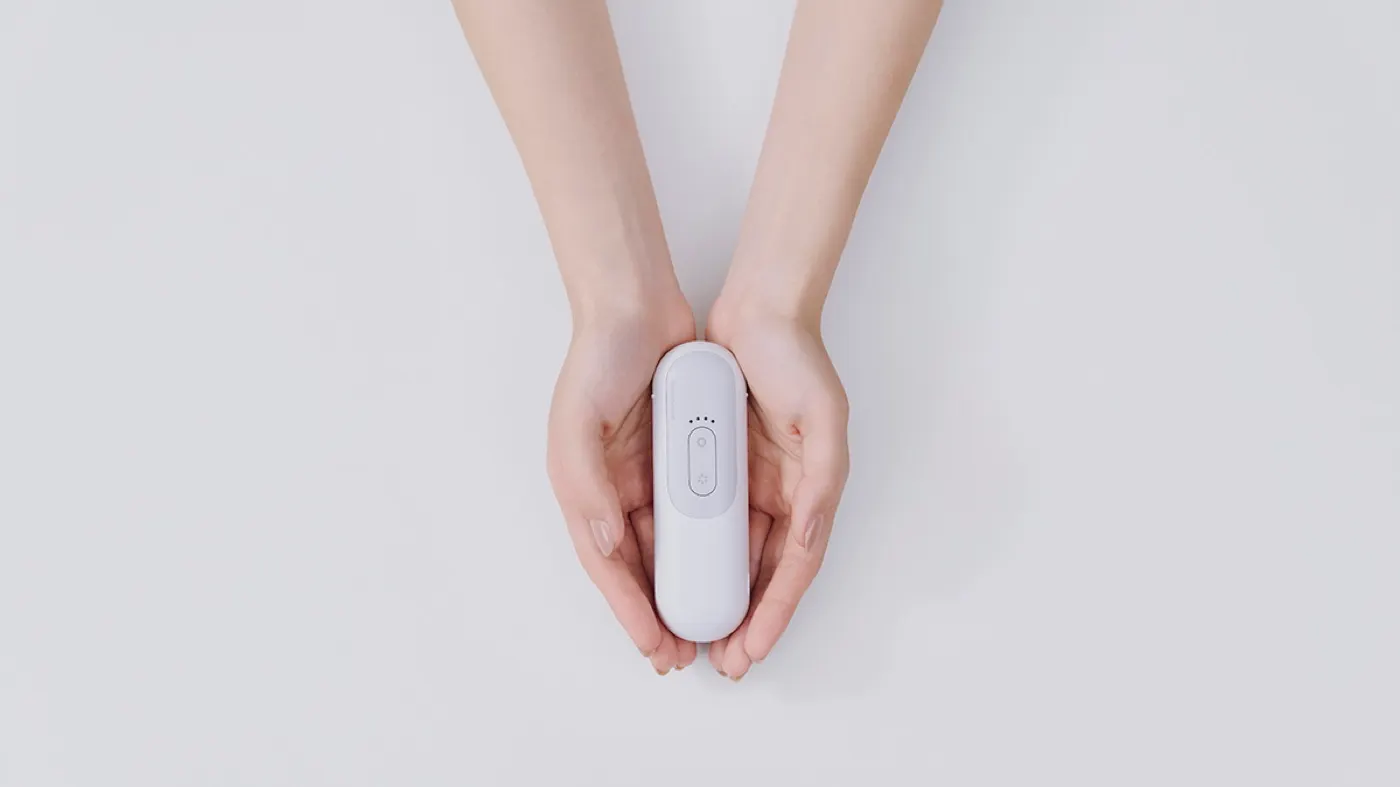
Inventing New Sensations.
Temperature, touch, and bodily responses. Researchers from different universities have come together to study technologies that change, convey, and measure how people feel, and we turn that work into products and experiences.
Technology
To create, convey and measure new sensations, we develop products based on cutting-edge research.
By combining temperatures, we change the sensation of touch on the skin itself. We turn research on thermal illusions into products.
We deliver sensations that are hard to put into words as experiences. They give people a chance to notice that what they feel differs from what others feel.
We quantify how people feel. Based on quantitative data rather than vague indicators, we help develop comfortable work environments, clothing, and more.
Products
Each one is a real product that grew out of knowledge gained in the lab.
Changing sensation
Thermal-illusion device
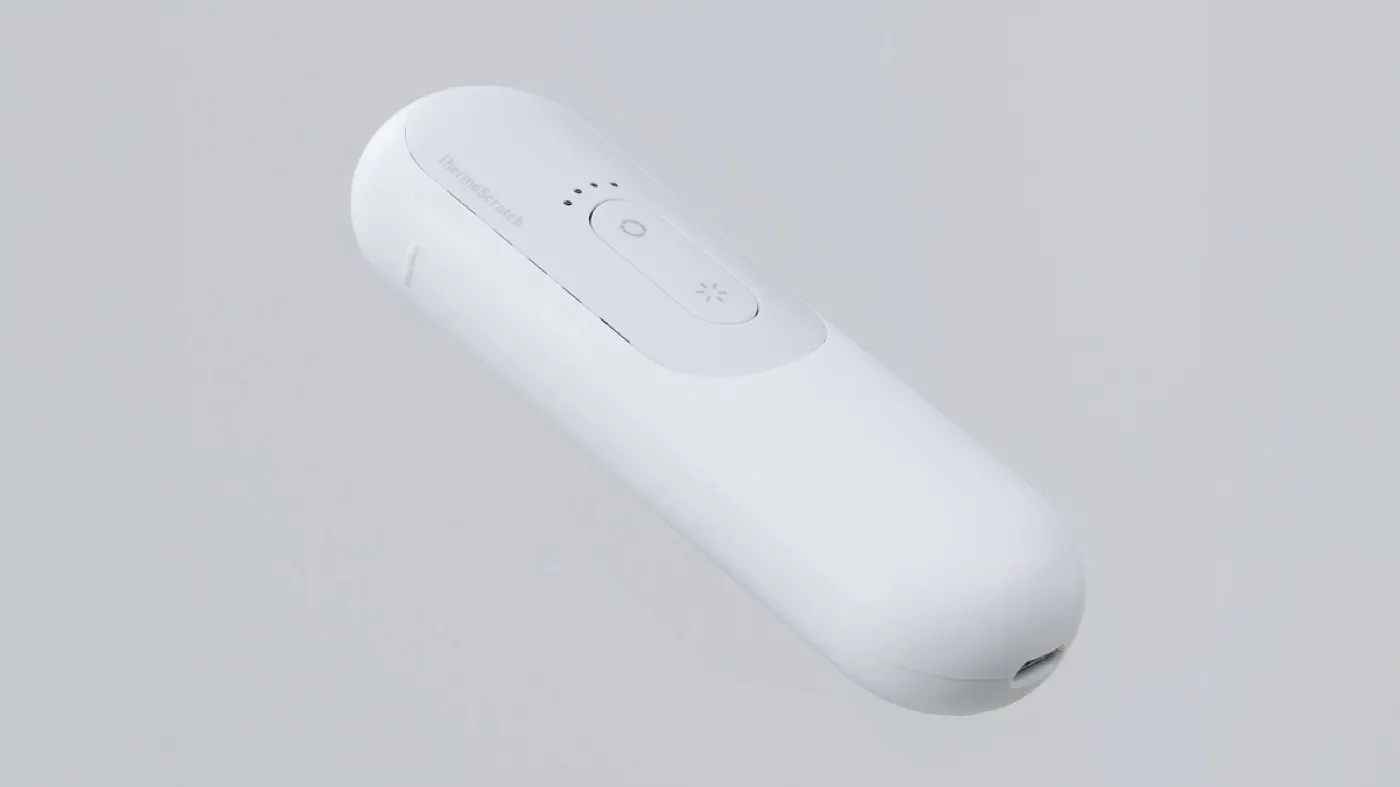
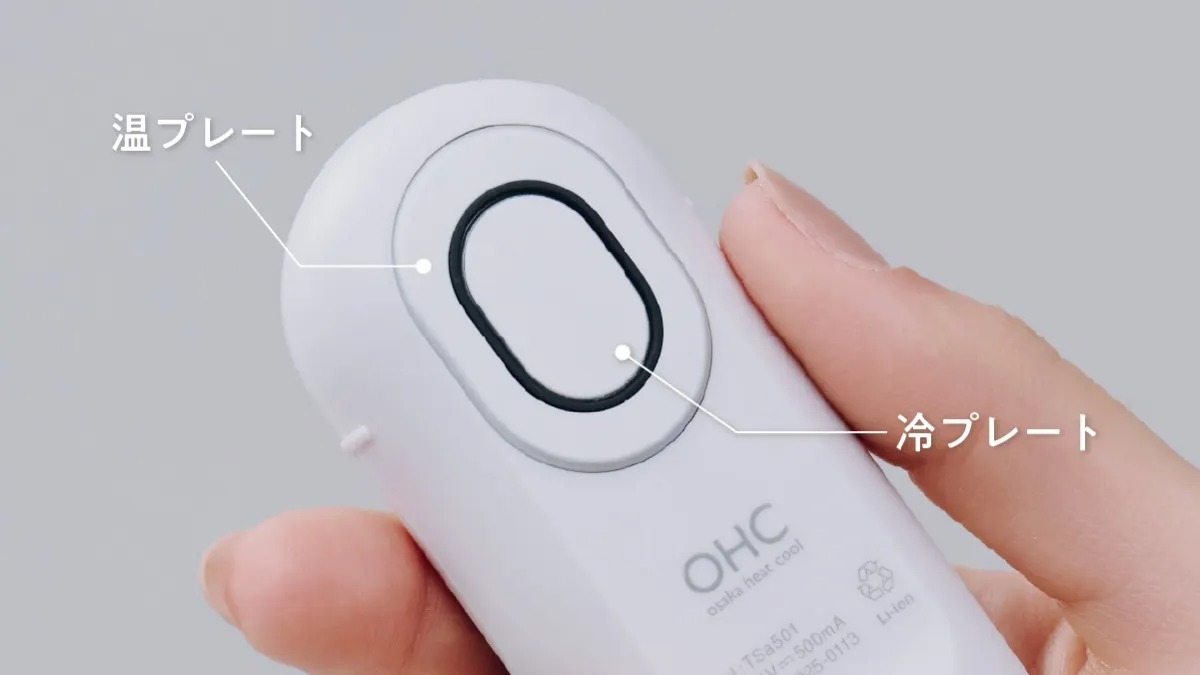
Pressing a warm surface and a cool surface against the skin at the same time can create a sensation like being scratched. We turned this “thermal grill illusion,” known in neuroscience, into a product with plates that carefully control warm and cool. It is a tool for shifting your attention away from a bothersome spot without harming the skin.
In our crowdfunding campaign on Kibidango, we raised 11.07 million yen against a goal of 2 million yen (the campaign ended on September 29, 2026). After the campaign, we plan to focus on sales to businesses and specialist institutions.
This is a general consumer product for refreshing everyday discomfort, not a medical device. Sensations vary from person to person.
These papers cover the research field that ThermoScratch is built on. They are not papers about the product itself.
Conveying sensation
Menstrual-pain VR experience device
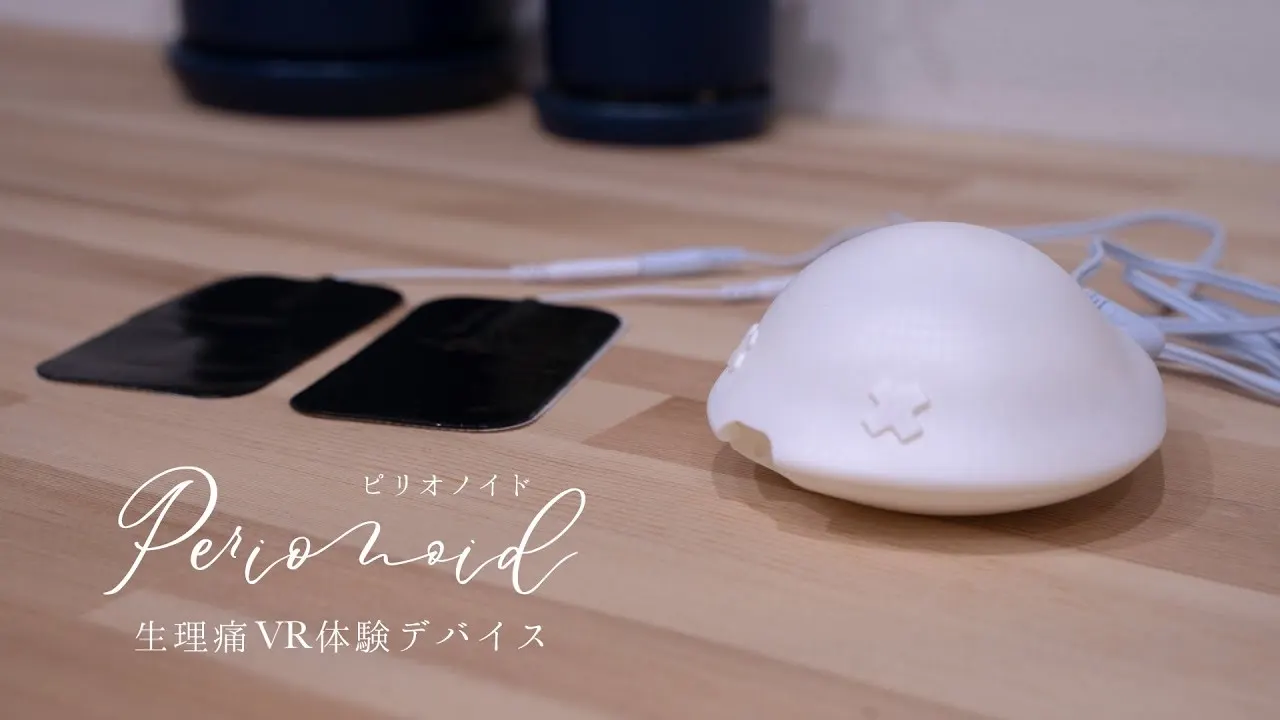
Understanding another person’s pain and telling others about your own are both difficult. Perionoid is a device that uses electrical muscle stimulation (EMS) to let people experience lower abdominal menstrual pain in stages. Starting from a device born from research at Konan University and Nara Women’s University, we simplified the controls and improved it so it can be worn.
Given the same experience, some people feel strong pain and others feel none at all. Noticing that difference is a way into thinking about what other people feel.
The experience is for volunteers only. It is conducted with staff present, after an explanation and written consent, starting with weak stimulation, and in a way that lets participants stop at any time by their own choice. We do not accept people with health concerns. The pain you experience is only a small part of menstrual symptoms.
These are papers on the device that Perionoid is based on (research at Nara Women's University and Konan University).
Measuring sensation
Seated body-sway measurement device
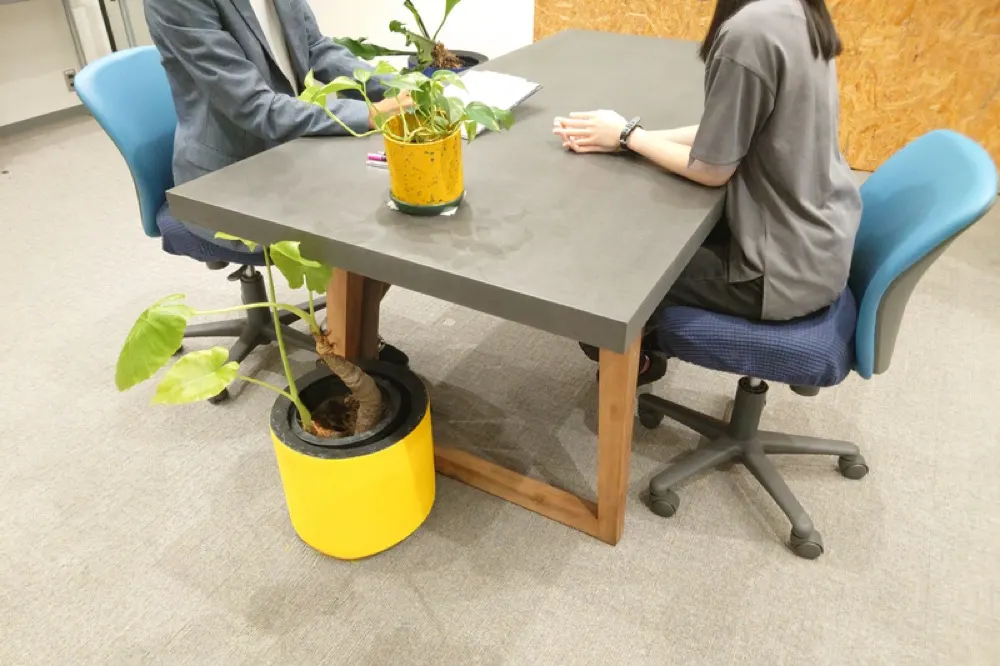
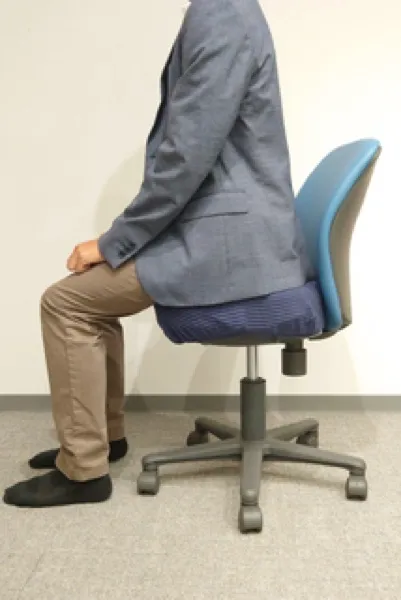
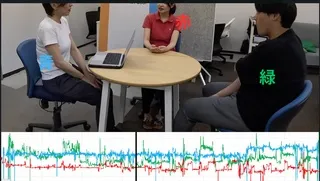
This chair-shaped instrument records the load and center-of-pressure sway of the person sitting, using high-precision strain sensors built into the seat. There is nothing to wear and nothing to operate. With several chairs, it can also show how closely people’s body movements synchronize in meetings and conversations.
What is measured is body movement and response. This is not a device that directly reads the sensations or emotions of the person sitting.
These are SenseChair studies that Yuichi Itoh was involved in, listed from newest to oldest.
Measuring sensation
Handheld contact warm/cool feeling tester
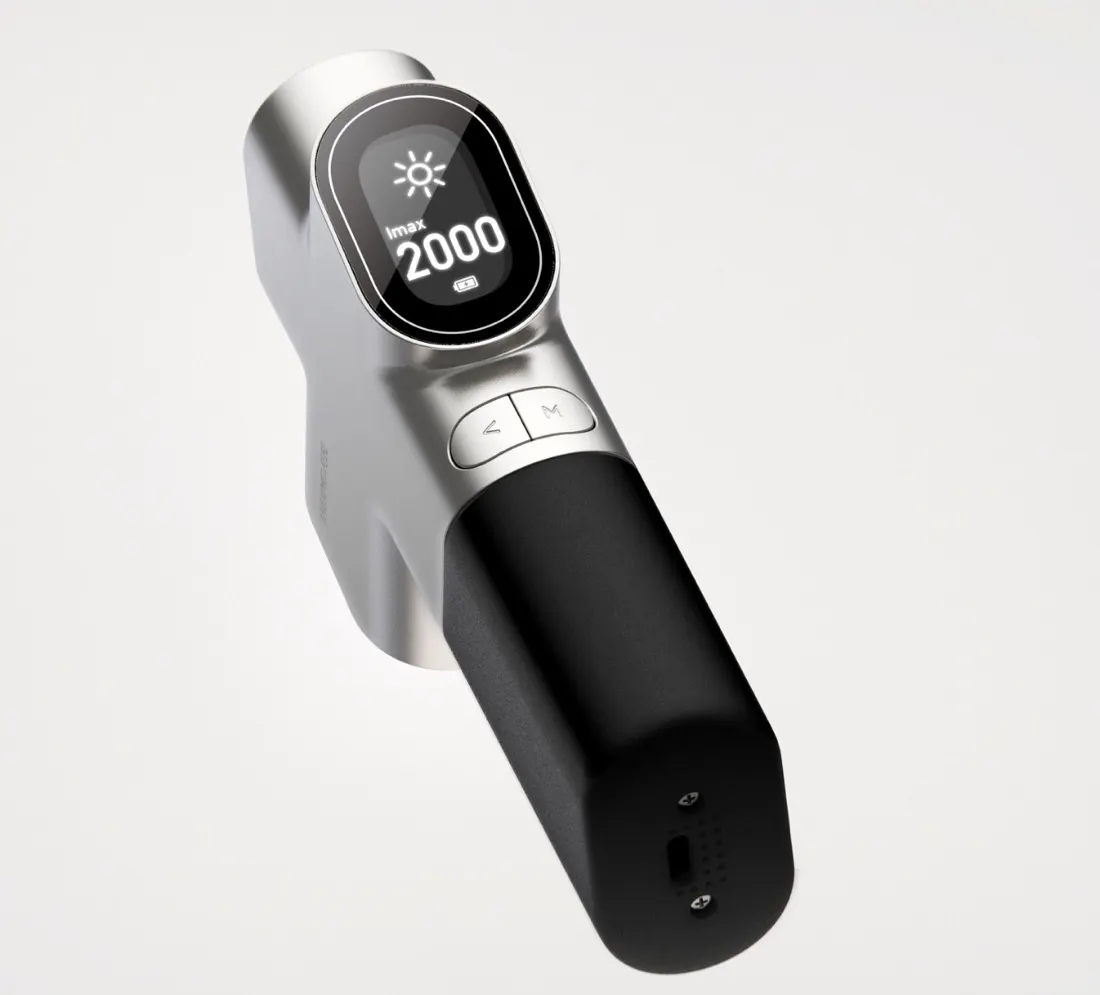
This tester lets you compare, in numbers, how cool or warm a material feels to the touch. Conventional benchtop testers require a sample to be cut out and measured in a constant-temperature, constant-humidity room. ThermoFeel p is held in the hand and measures furniture, interior materials, and other items as they are, in the place where they actually sit. You operate it simply by following the on-screen instructions.
What is measured is a physical quantity: how much heat moves from a material. When people touch something cold, heat moves and it feels cool. This device evaluates how cool (or warm) something feels from the amount of that heat movement.
These studies are the foundation of the method for measuring contact warm/cool feeling (qmax).
These are projects led by Katsunari Sato (Nara Women's University), who is involved in developing ThermoFeel p. Project titles and periods are from his researchmap registration.
Team
Physics, materials, experience, sensation, and electronic circuits. Faculty members and researchers who continue their work at universities and research institutions are at the center of our product development.
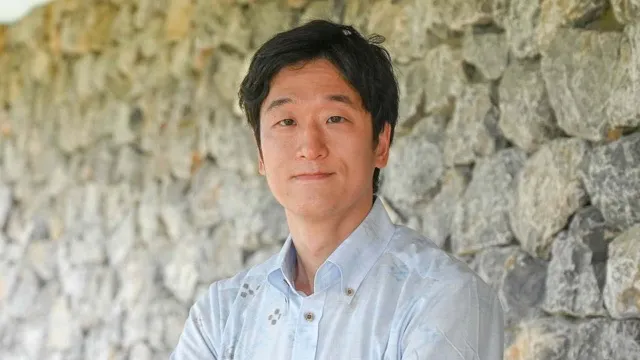
Physics
Representative Director
Born in Evanston, Illinois, USA. He earned his doctorate at Kyoto University with research on fusion energy, then served as a postdoctoral researcher at Ritsumeikan University and the University of Tokyo. In August 2014 he joined the Department of Electrical, Electronic and Information Engineering, Graduate School of Engineering, Osaka University, as an assistant professor. His work covers new materials research using plasma, process technology research, and thermal design of plasma-facing components. He also applies the knowledge gained from plasma research to mounting technology for thermoelectric semiconductors, in joint research with Sugahara.
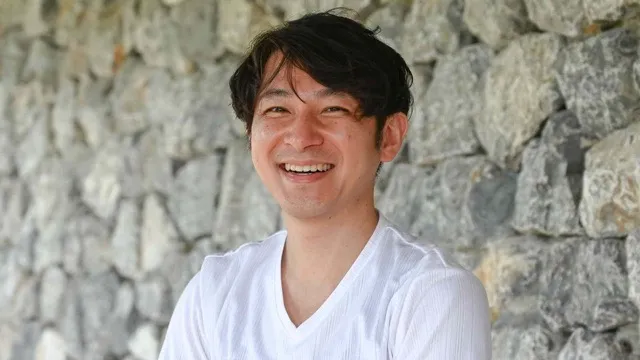
Materials
Director
Professor, Faculty of Materials Science and Chemistry, Kyoto Institute of Technology
Born in Arida District, Wakayama. After studying at the University of the Ryukyus (bachelor’s and master’s degrees), he received a Doctor of Engineering degree from Kyushu University. He then worked as a postdoctoral researcher at the Graduate School of Engineering, Osaka University, on the research and development of thermoelectric materials. After moving to the Institute of Scientific and Industrial Research, Osaka University, he studied semiconductor packaging technology and ceramic thin-film technology. He has been in his current position since April 2022. Building on his experience developing thermoelectric semiconductor materials and on semiconductor packaging technology, he develops flexible Peltier devices.
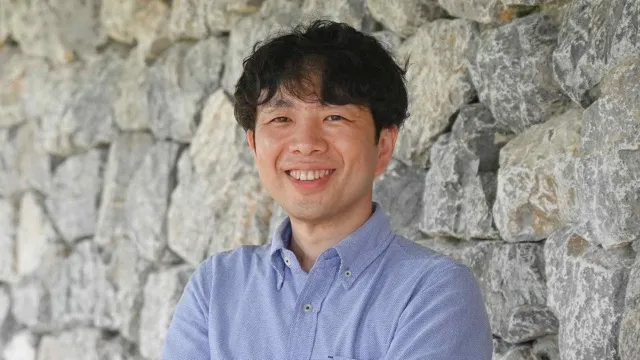
Experience
Director
Professor, Department of Integrated Information Technology, College of Science and Engineering, Aoyama Gakuin University
Born in Niihama, Ehime. He left the doctoral program at the Graduate School of Engineering, Osaka University, to become a research associate at the same school. After serving as an assistant professor at the Graduate School of Information Science and Technology, he became an associate professor at the Osaka University Creative Unit (formerly the Web Design Unit) in 2008. While directing public relations and branding for Osaka University, he has also been active as a researcher in the human-computer interaction community. He became a professor at Aoyama Gakuin University in 2021. Ph.D. in Information Science. He has received best paper awards and best demonstration awards at academic conferences and symposia in Japan and abroad. His many other awards include the Asia Digital Art Award, the Knowledge Innovation Award Grand Prize, the Osaka University Distinguished Service Award, and the Osaka University President’s Encouragement Award.
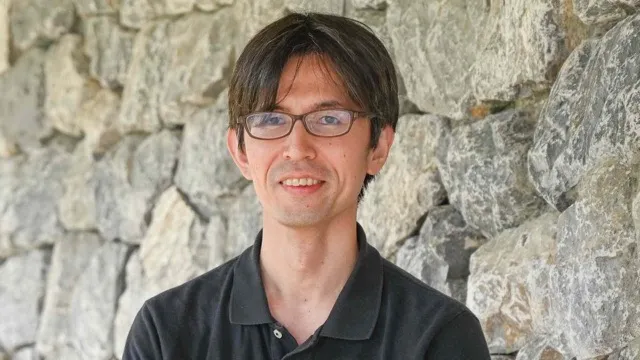
Sensation
Director
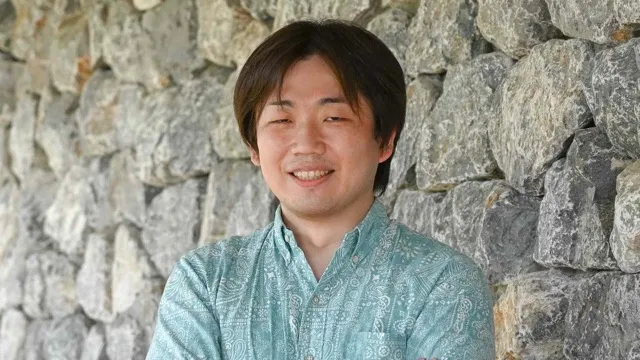
Associate Professor, Faculty of Engineering, Nara Women's University
Born in Yamagata. As an undergraduate in the Faculty of Engineering at Tohoku University, he encountered haptic rendering technology in VR and began researching the sense of touch. After graduating, he went on to the Graduate School of Information Science and Technology at the University of Tokyo. From 2008, as a JSPS Research Fellow (DC1), he studied technology for transmitting tactile information. He received his doctorate in 2011 and joined Keio University as a JSPS Research Fellow (PD). In 2013 he took up a post as lecturer in the Faculty of Human Life and Environment at Nara Women’s University, and in 2021 he became an associate professor in the university’s Faculty of Engineering. He develops fast, energy-saving methods for reproducing warm and cool sensations with Peltier elements, along with applications of them. He also conducts education and research on evaluating clothing from the standpoint of human sensibility.
Electronic circuits
Director
Professor, Department of Electrical and Electronic Engineering, Graduate School of Engineering, Kobe University
Born in Miki, Hyogo. He received his doctorate from the Graduate School of Engineering, Kobe University, in 2011. He then worked as an assistant professor at the Organization of Advanced Science and Technology, Kobe University, on the research and development of sensor networks and integrated circuits. In 2018 he was a specially appointed associate professor at the Institute of Scientific and Industrial Research, Osaka University, and in 2019 he became an associate professor at the Graduate School of System Informatics, Kobe University. He has been in his current position since April 2022. His research and development centers on biometric measurement technology and its medical and healthcare applications, covering measurement circuits, wireless networks, and machine learning.
Director
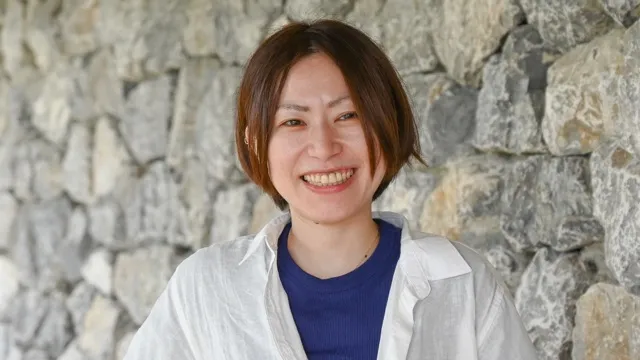
Specially Appointed Researcher, Osaka Metropolitan University
Graduated from National Institute of Technology, Wakayama College, and earned a master’s degree at Nara Women’s University. After serving as a full-time lecturer in forensic medicine at Kindai University and working at an IT company, Yoshikuni took the current role, focusing on discovering and supporting university-originated deep-tech startups. Outside work: motorcycles.
Co-development
Building on our own technology, Osaka Heat Cool takes on projects from early concepts and proof-of-concept prototypes to replacing existing hardware. You can consult specialists in physics, materials, experience, sensation and electronic circuits.
Techniques for presenting warmth and coolness with Peltier elements, and their control. ThermoScratch became a product about five years after the research began.
We accept requests to customize the dedicated software for SenseChair. ThermoFeel p is a testing device for comparing how cool or warm materials feel, in numbers.
As with Perionoid, we turn research results into something people can experience, and deliver it. We have experience running it at training sessions and exhibitions.
News
Announcements about our research, products, and exhibitions. Articles are published in Japanese.
Loading...
Company
Please contact us through the form on our official website.
Try it
Choose an experience, then tap the circle in the middle. A low rhythm and rippling visuals start together. Sound will play, so please mind your volume.
Tap the circle to start the sound and visuals.
About this experience.This small demo uses a low-pitched rhythm and moving visuals to show that the same stimulus can feel different. Overtones are layered on the low tones so they can be heard even on a smartphone's small speaker. It does not reproduce the thermal or tactile sensations our products create.