
Co-development
Developing new business together
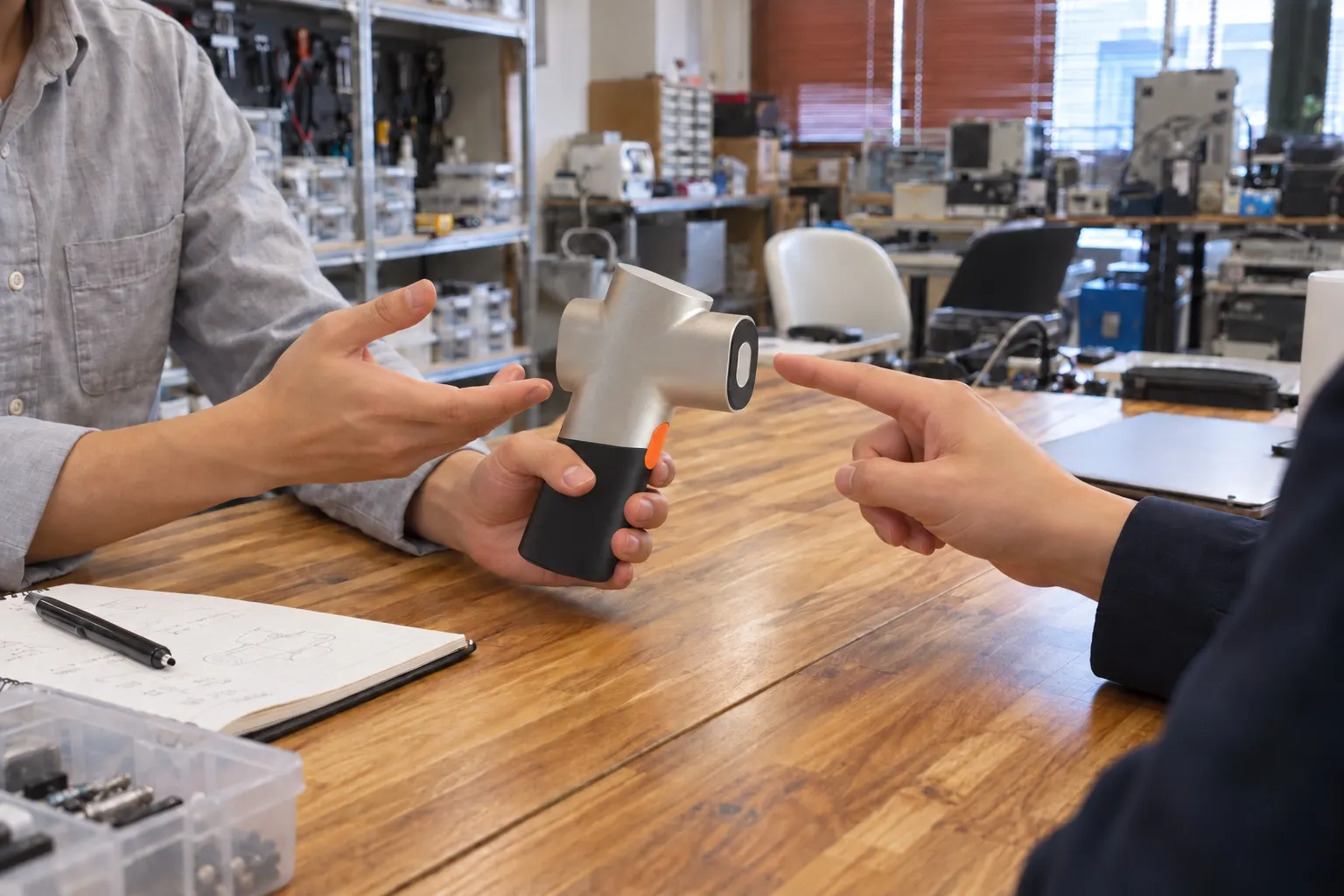
We work with you to launch new business built on thermal, tactile and body-measurement technology, drawing on cutting-edge academic knowledge, from shaping the concept to prototyping and evaluation. As joint research and contract development, building on our own technology, we take on projects from early concepts and proof-of-concept prototypes to replacing existing hardware.
Where to start
What we take on
Any stage, any form. These are the typical kinds of request.
Talk through a concept
The use case or product does not need to be settled. We start by working out together what you want people to feel, or what you want to measure.
Typical requests
- Plan a new experience using warmth, coolness or touch
- Add a sensory element to an existing product
- Turn research results into something people can try at an exhibition or in training
Build a proof of concept
We build a working prototype you can use for exhibitions, internal validation and user tests. We also take prototype-only requests.
Typical requests
- A demo unit people can try at a trade show or event
- A single principle prototype for an internal proposal
- A lab apparatus rebuilt in a portable form
Replace existing hardware
We help you replace the heating, cooling or measurement mechanism you use today with a new approach.
Typical requests
- Replace heaters and cooling fans with Peltier elements to make a device smaller
- Turn a benchtop tester into a handheld one that works on site
- Build sensors into an off-the-shelf chair or fixture to take measurements
Technology
What we can provide
Our base is research in physics, materials and electronic circuits for temperature and touch, and research on measuring how people feel.
Thermal and tactile presentation
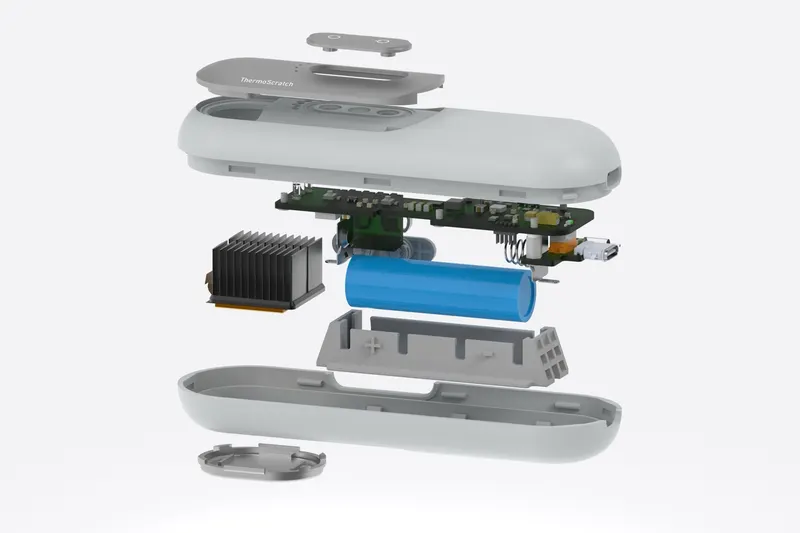
We have researched how to mount Peltier elements thin and light, and circuits that drive many elements with little wiring. We also design illusions created by presenting warmth and coolness at the same time.
What we can do
- Build Peltier elements into curved or small parts such as clothing, vessels and grips
- Present warmth and coolness at the same time to design thermal illusions (the thermal grill illusion)
- Control temperature in step with biometric data or video
Examples
A mechanism that switches between warmth and coolness depending on how the current flows, built into a cup whose temperature changes at the lip
Clothing that regulates its temperature automatically from biometric data, and experience content that turns warm or cool in step with a game video
Measuring the body and materials
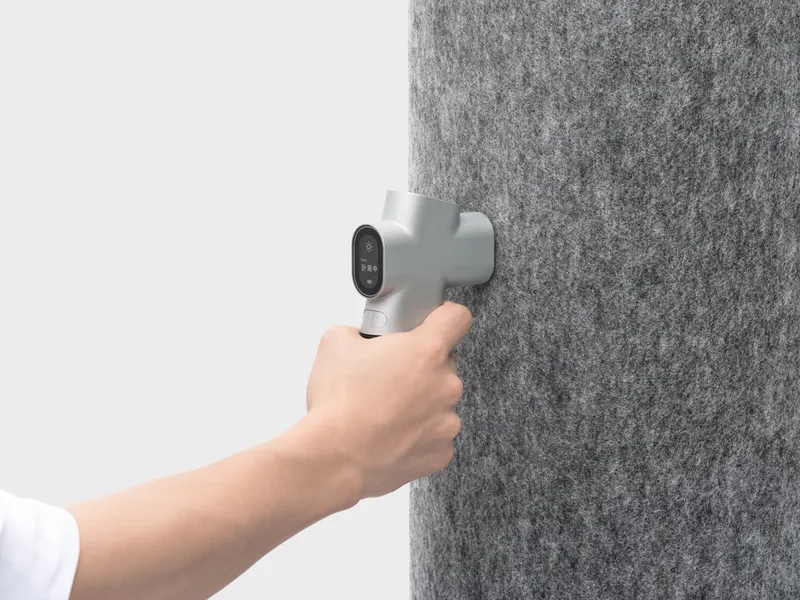
Measuring how much heat moves out of a material to put a number on how cool or warm it feels (ThermoFeel p), and recording load and the sway of the center of gravity with strain sensors in a seat (SenseChair). We propose, prototype and commercialize measurement technology built on new ideas.
What we can do
- Rebuild a benchtop tester as a handheld one that works on site
- Build sensors into an off-the-shelf chair or fixture to record load and center of gravity
- Support research use, such as customized analysis software and CSV output
Examples
A contact warm/cool feeling tester that needed a climate-controlled room, rebuilt as a handheld device that measures on site
Experience design
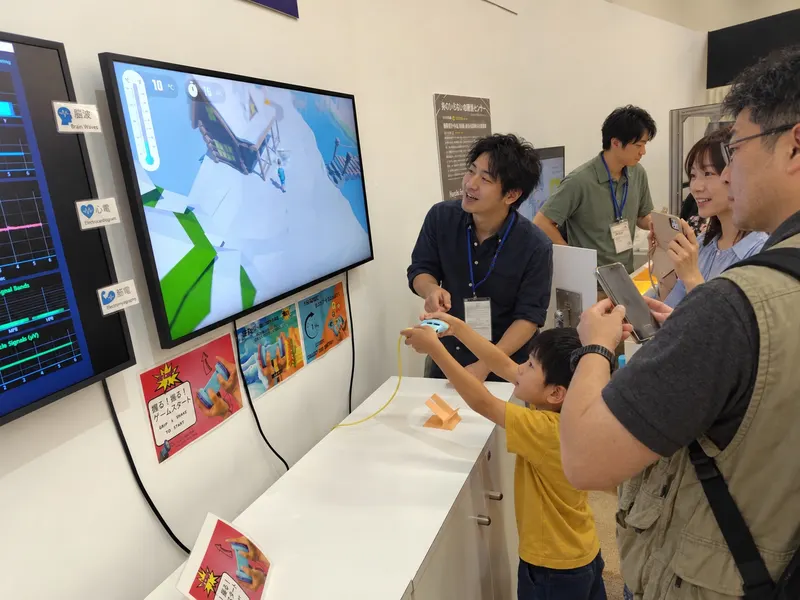
We turn what research has shown about sensation into a device people can experience safely, and a procedure for running it. With our own product Perionoid, we have run sessions in corporate training and at academic exhibitions, covering the levels of intensity, how consent is taken and how staff are placed.
What we can do
- Design an experience device for exhibitions and training, and the procedure for running it
- Change the intensity in steps, with a way for the participant to stop at any time
- Experience content in step with video or a live program
Examples
Exhibition content where visitors feel warmth and coolness in step with a game video
Process
How a project runs
Consultation and requirements are free of charge. Prototyping is quoted for a defined scope.
Consultation
Contact us through the form. The first meeting is about 30 minutes online.
Requirements
Together we write down the goal, the setting, the measures to evaluate, and the deadline.
Proposal and contract
We present the scope of the prototype, cost, schedule, and the form of agreement (joint research, contract development, NDA).
Prototyping
Starting from a principle prototype, we move forward in working steps you can check.
Evaluation
We try it in the real setting and sort out what to improve, based on measured data and how people respond.
What comes next
Productization, volume production, and research presentations or exhibitions. Depending on the project, we can handle volume production by designing the product ourselves and placing the manufacturing order.
As a rough guide, a mock-up to check the look and the motion takes about one month, and a working prototype about three months. This varies a great deal with the kind of sensation involved, the measurement accuracy, the number of units and the evaluation method. We give you a concrete schedule at the requirements stage.
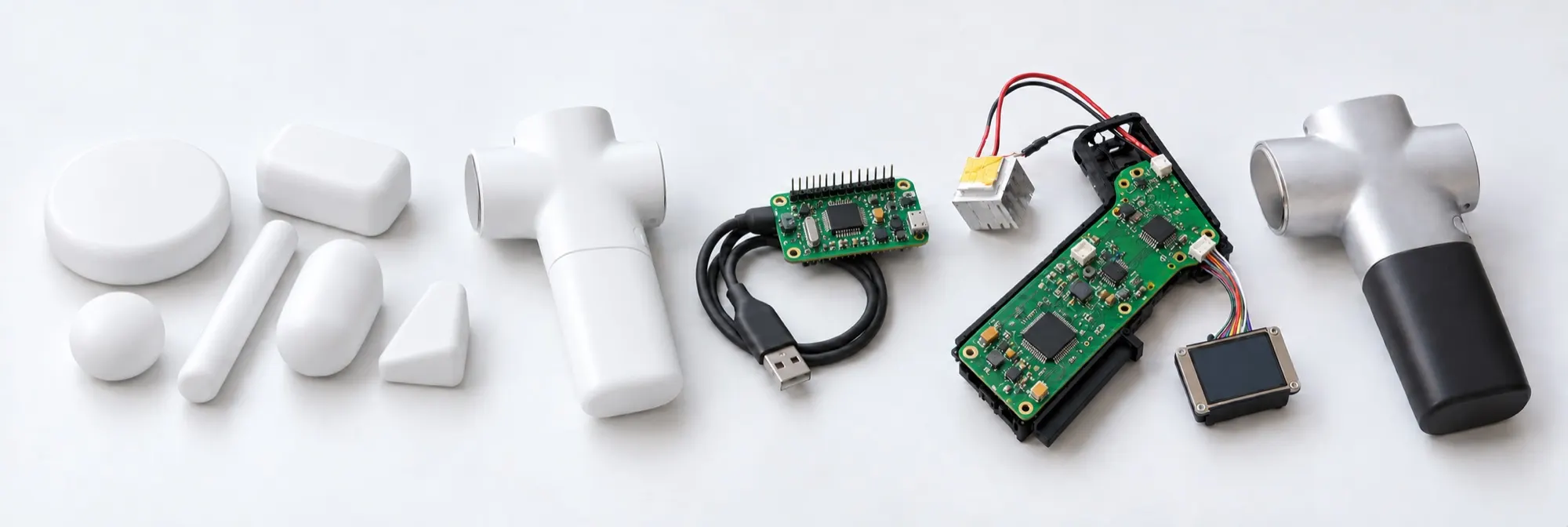
Cases
Cases
Projects we have carried out with companies and universities.
UP-CYCLING POSSIBILITY
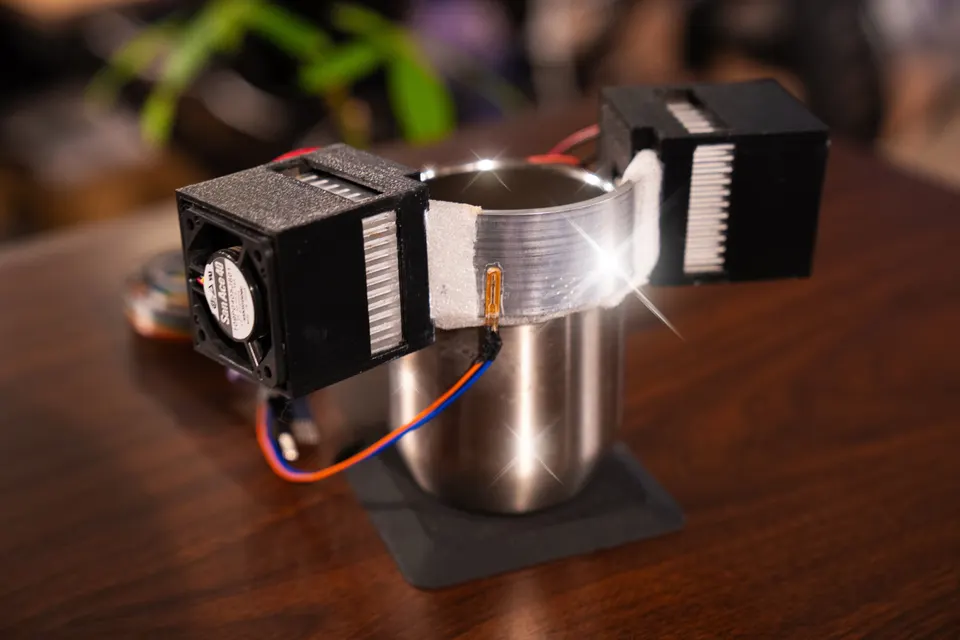
Based on the research: ThermoTumbler A project that turns broken vessels into tools with new value, combining kintsugi with technology.
Based on Osaka Heat Cool's technology that switches between warmth and coolness depending on how the current flows, drawing on research findings from Aoyama Gakuin University, we jointly developed the temperature-changing part of "TSU→GI CUP 'TEMP'", a cup whose temperature changes at the lip.
The results were shown at the UP-CYCLING POSSIBILITY exhibition at the Shiseido Global Innovation Center (S/PARK, Yokohama) from April to June 2023.
ThermoFeel p (handheld contact warm/cool feeling tester)
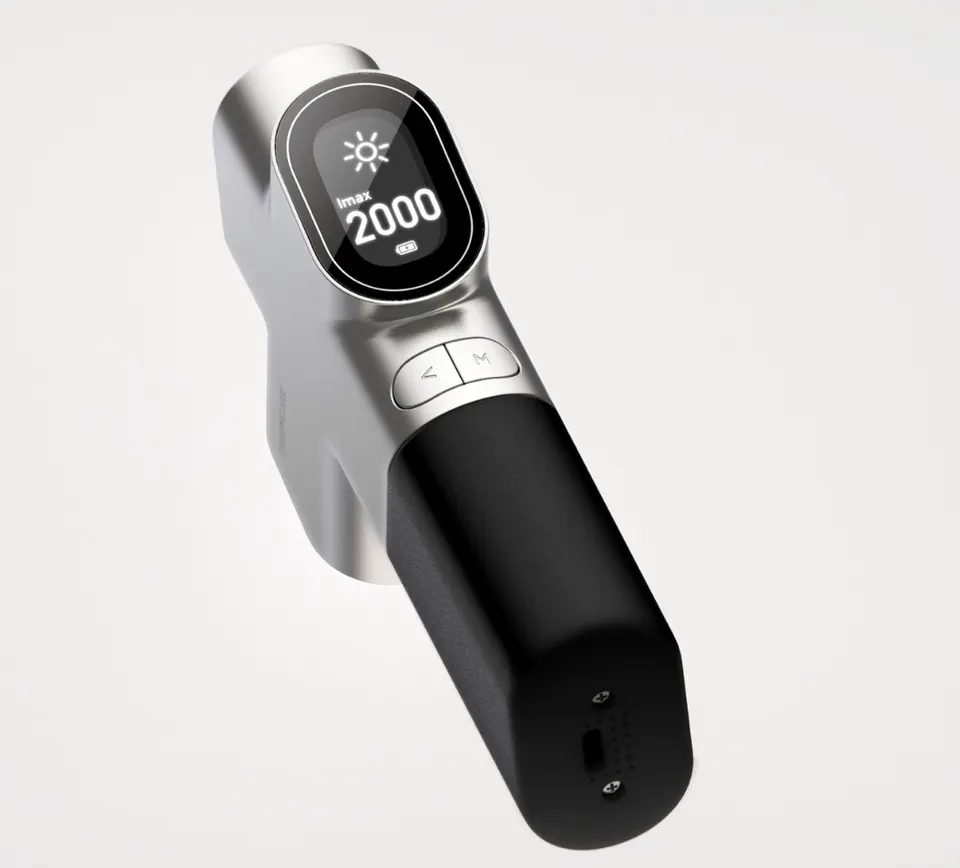
ThermoFeel p A benchtop contact warm/cool feeling tester, which required cutting out samples and measuring them in a climate-controlled room, was rebuilt as a handheld device that measures on site.
Released by Profid in May 2025, it won a Good Design Award the same year.
Reborn Challenge exhibit at Expo 2025 Osaka, Kansai (self-regulating thermal clothing and temperature-control experience content)
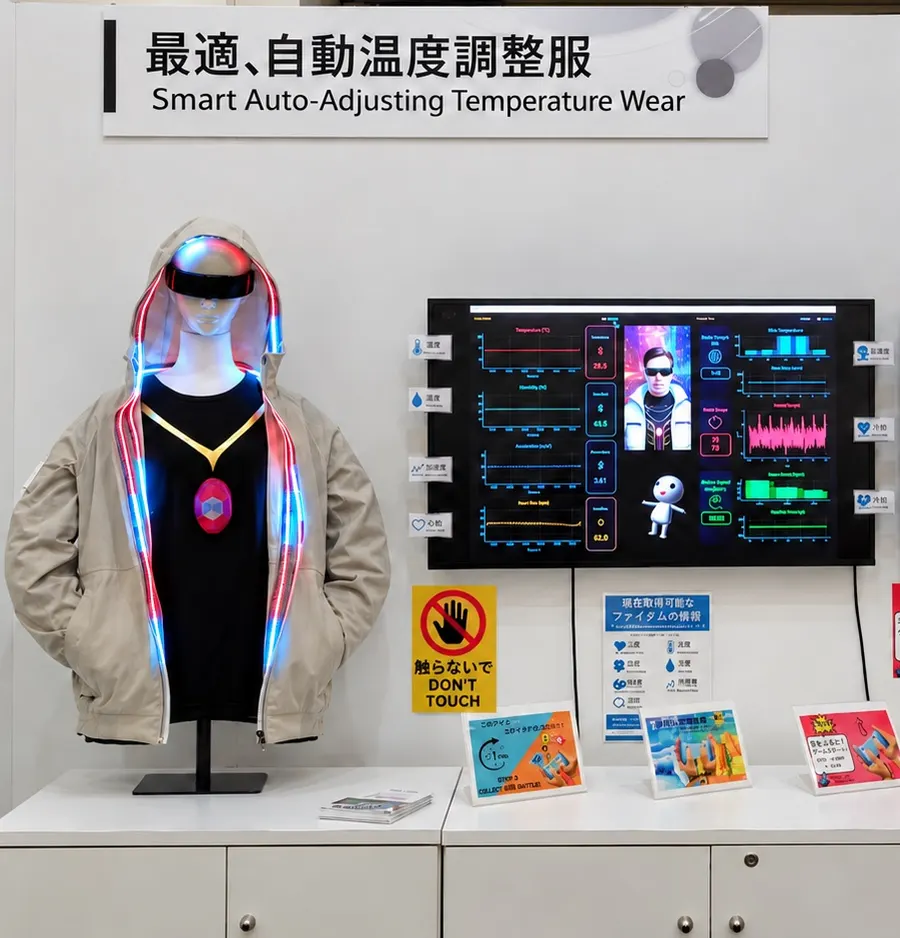
We joined, with five other companies, the "optimal self-regulating thermal clothing" project led by Tohan Denshi Kiki. From 7 to 13 October 2025, at the Reborn Challenge zone of the Osaka Healthcare Pavilion at Expo 2025 Osaka, Kansai, the team exhibited self-regulating thermal clothing and temperature-control experience content built with our thermal presentation technology.
The clothing is a prototype that regulates its temperature automatically with Peltier elements, using biometric data from smart glasses and smartwatches. The experience content drives Peltier elements inside a controller in step with a game video, so players feel "warm" and "cold".
Ahead of the exhibit, Tohan Denshi Kiki also showed the clothing at the Osaka Chamber of Commerce and Industry's regular press conference on 19 September 2025.
Team
Consult a specialist in each field
Our directors are active university researchers in physics, materials, experience, sensation and electronic circuits. Depending on what you bring to us, the specialist in that field joins the consultation and the development.
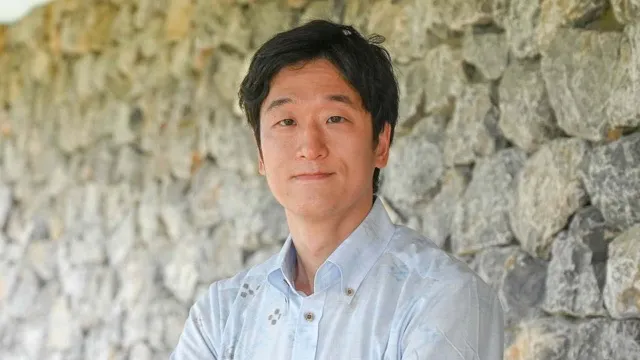
Kenzo Ibano
Physics
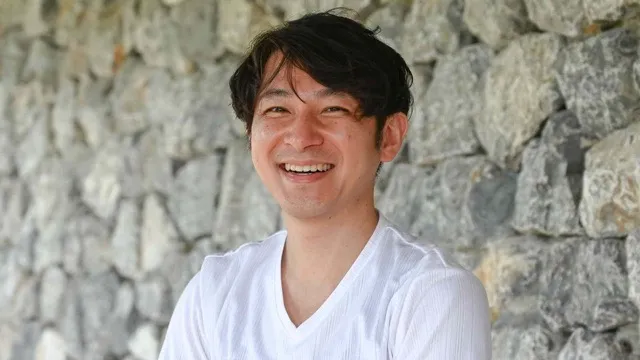
Tohru Sugahara
Materials
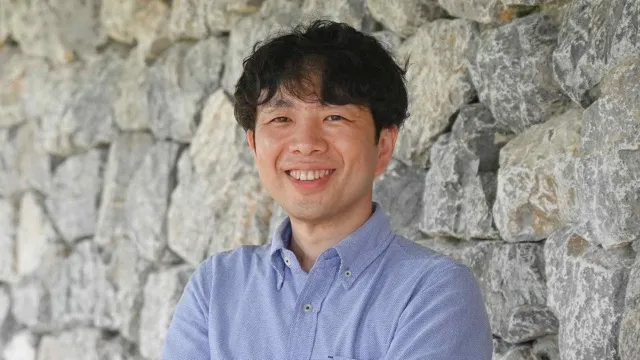
Yuichi Itoh
Experience
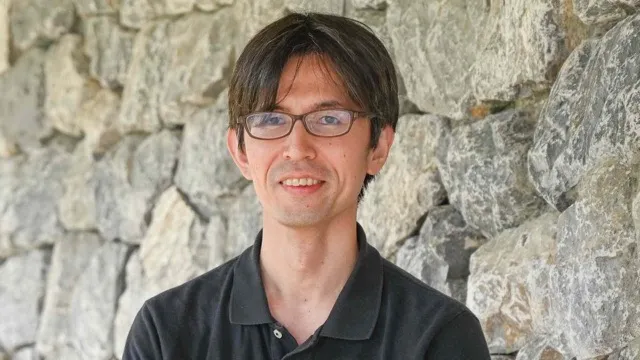
Katsunari Sato
Sensation
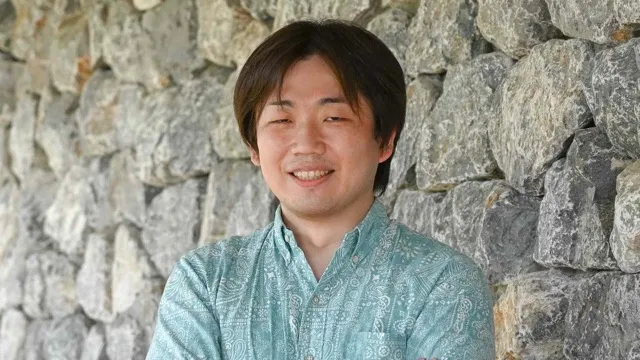
Shintaro Izumi
Electronic circuits
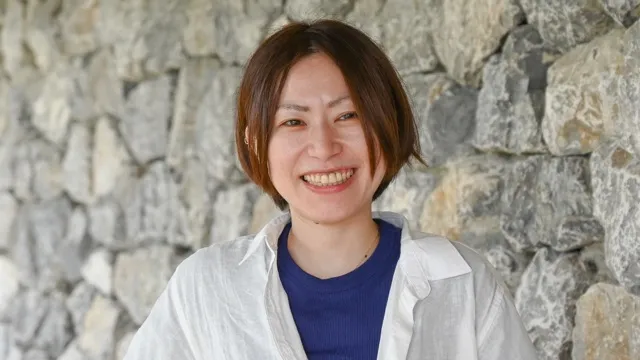
Seino Yoshikuni
FAQ
Frequently asked questions
How much does it cost?
It depends on the scale. Consultation and requirements are free of charge. Prototyping is quoted for a defined scope.
How long does it take?
As a rough guide, a mock-up takes about one month and a working prototype about three months. This varies a great deal with the kind of sensation involved, the measurement accuracy, the number of units and the evaluation method. We give you a concrete schedule after the requirements stage.
Can we ask for a prototype only?
Yes. We take single-unit requests such as a demo for an exhibition or a principle prototype for an internal proposal.
Can we consult you even without in-house development expertise?
Yes. We start together from writing down what you want people to feel or what you want to measure.
How is this different from joint research with a university?
Osaka Heat Cool contracts as a company, so the agreement and intellectual property terms can be settled between companies. If academic joint research is needed, we can also discuss joint research with the universities our directors belong to.
Can you handle mass production?
Depending on the project, yes. For ThermoScratch we designed the product ourselves, then placed the manufacturing order and produced it in volume. If you produce in-house, we hand over the design.
What about confidentiality?
We can sign an NDA from the consultation stage.
Contact
Tell us about your challenge and background
The first meeting is about 30 minutes online. Consultation and requirements are free of charge.
For press inquiries or product purchases, please use the matching category on the contact page.